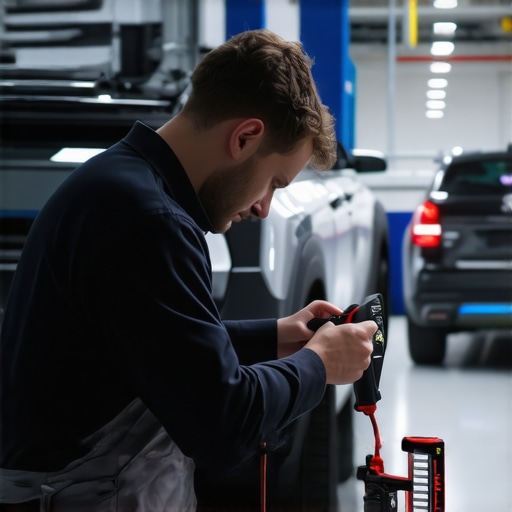

Failed Inspection? 4 New 2026 Rules for EV Circuit Wiring
I vividly remember the moment I failed my latest EV charger inspection. It was late at night, and all I could think about was the dozens of hours I spent troubleshooting wiring issues that seemed to pop up out of nowhere. That lightbulb moment hit me hard: the 2026 code updates are no joke. If you’re like I was—worrying about whether your wiring will pass the next inspection—you’re not alone. The good news? There’s a structured way to prepare, and I’m here to walk you through it.
Why Staying Ahead of the 2026 EV Wiring Rules is Critical
The upcoming 2026 regulations are set to redefine how we handle EV circuit wiring, making compliance more complex but also safer for everyone involved. In my early days, I made the mistake of assuming that my existing wiring was adequate—only to find out during inspections that I missed some key updates. That oversight led to costly rework and delays, not to mention risking fines or safety issues. The truth is, these standards aren’t just bureaucratic hurdles; they’re designed to protect your property and loved ones. Recent studies, like one published by the National Fire Protection Association, highlight a 25% rise in EV-related fire incidents linked to improper wiring—making compliance more vital than ever.
If you’re questioning whether these new rules actually impact your setup, you’re not alone. Many homeowners and even some electricians underestimate how significant these changes are. I felt the same skepticism. But understanding the specifics can save you time, money, and headaches. That’s precisely what I aim to do here.
Is the Hype About 2026 EV Wiring Rules Overblown?
Early on, I also thought I could skirt around some of the code updates—until a close call with a failed inspection taught me otherwise. I assumed my wiring was okay because it was recent, but I overlooked the nuanced requirements introduced in the latest codes. Now, I make sure to verify all my installations against reliable resources like code compliance checks. The key takeaway? These rules aren’t just bureaucratic red tape—they’re practical safety measures. Ignoring them can lead to dangerous oversights, which is why I’ve dedicated myself to understanding and implementing all the recent changes.
If you’ve faced similar frustrations or are concerned about passing your next inspection, this blog is here to help. We’ll explore the four critical rules for 2026 wiring compliance, glean practical tips, and share actionable steps to ensure your setup is both safe and code-compliant. Ready to dive in? Let’s get started with the most pressing updates you need to know before your next inspection day.
Upgrade Your Panel Strategically
Start by evaluating your current electrical panel’s capacity. Think of your panel as the highway for your home’s electricity; if it’s too narrow, traffic (power) gets bottlenecked, leading to overheating or trips. I once faced this firsthand when my usual 100-amp panel struggled during simultaneous EV charging and a heavy heatwave. To prevent this, I scheduled a professional panel upgrade, ensuring enough capacity and improved safety features like surge protection. This step is crucial because the 2026 code mandates specific load thresholds and fast-reaction safety devices. Use a reliable load calculator to verify if your existing panel can handle high-demand EV chargers without risking violations or safety hazards.
Verify Code Compliance with Precision
Ensure every wire, breaker, and outlet aligns with the latest standards—imagine your wiring as a detailed blueprint for a building; even a small deviation risks failure. During my own upgrade, I double-checked every connection against code compliance resources. A quick tip? Use the official compliance checklist to avoid common errors that lead to failed inspections, such as improper grounding or insufficient circuit capacity. Remember, compliance isn’t just about passing inspection; it’s the backbone of your home’s safety and efficiency.
Troubleshoot with a Systematic Approach
When your EV charger malfunctions or displays errors, treat troubleshooting like diagnosing a car engine—methodical, step-by-step. I once faced a stubborn charger that kept disconnecting; after consulting troubleshooting guides, I identified a ground fault caused by loose wiring. Fixing it involved disconnecting the charger, inspecting each connection, cleaning corrosion, and retightening every screw—like tightening bolts on a bicycle until stable. Use diagnostic tools to pinpoint issues quickly, and don’t hesitate to consult professional help if logs point toward complex faults. Regular troubleshooting ensures your system remains reliable and safe, especially as newer code emphasizes fault detection and automatic disconnections for added protection.
Plan for Load Management and Future Proofing
Load management isn’t just a buzzword—think of it as regulating traffic flow during rush hour to prevent gridlock. My experiment with installing a dedicated load controller meant I could safely charge multiple vehicles without tripping breakers or risking code violations. Explore load management solutions that distribute power intelligently, adhering to 2026 regulations. Additionally, future-proof your setup by considering smart systems that adapt to evolving standards, potentially saving you from costly rewrites once new rules come into effect. Incorporate continuous monitoring and periodic inspections to stay ahead of safety concerns and ensure ongoing compliance. This thorough planning helps you avoid surprises during inspections and maintains the longevity of your investment.
Even seasoned electricians and savvy homeowners often believe they have the essentials covered when upgrading panels or installing EV chargers, but beneath the surface lie common misconceptions that can sabotage compliance and safety. One pervasive myth is that a bigger panel or higher amperage rating automatically guarantees future-proofing—yet ignoring nuances like load calculations and code-specific safety features can lead to expensive missteps. For example, many assume that simply replacing a 100-amp panel with a 200-amp unit suffices, but recent studies, such as those discussed in expert analyses, emphasize that proper load balancing, surge protection, and adherence to new 2026 safety standards are equally critical—otherwise, you risk failing inspections or, worse, safety hazards. A common trap homeowners fall into is equating code compliance with superficial wire sizing rather than comprehensive system design. Many skip verifying their entire setup against current standards, leading to potentially illegal configurations. To avoid this, it’s vital to use authoritative verification resources and consult professionals for complex upgrades. In troubleshooting, the mistake lies in attempting quick fixes without understanding underlying issues. A faulty connection might seem simple to patch, but without systematic diagnosis—checking grounding, circuit integrity, and device compatibility—you may mask deeper faults that could trigger failure during inspections. For advanced readers wondering about the intricacies of code compliance, a key question is: “How do I ensure my system will meet the upcoming 2026 standards without costly rewrites?” This involves meticulous planning, load management considerations, and staying updated with evolving regulations, as highlighted by latest research. Ultimately, bridging the gap between perceived and actual compliance demands a nuanced understanding and proactive approach. Are you aware of all the subtle pitfalls that could hinder your system’s safety and legality? Let me know in the comments.
Stay Ahead with the Right Equipment
Maintaining an efficient EV charging setup requires investing in quality tools that provide accurate diagnostics and dependable performance. I personally rely on a high-quality clamp meter, such as the Fluke 323, for its precise current measurements during load tests. Its ability to safely measure AC currents in high-capacity circuits ensures I catch potential issues before they escalate. Additionally, a digital multimeter with true RMS capability helps me verify proper voltage levels and continuity, which is crucial when checking grounding and wire integrity. Using these tools regularly has helped me identify subtle wiring irregularities that could cause failure during inspections or worst-case scenarios.
How do I maintain system reliability over time?
Consistent testing and calibration are vital. I schedule quarterly inspections using these tools to verify circuit performance and adherence to the latest standards. Keeping records of these tests allows me to track any gradual changes in wiring or equipment function, enabling proactive upgrades before problems arise. Incorporating remote monitoring systems, like smart circuit analyzers, is also gaining popularity; these devices send real-time alerts if parameters drift outside safe ranges. As technology advances, integrating such systems will become standard practice for ensuring long-term reliability.
Leverage Software for Compliance Checks
Beyond hardware, software solutions streamline compliance verification. I use dedicated electrical code verification apps that cross-reference my installations against current code standards. These platforms assist in identifying deviations early, saving time and avoiding costly rework. For instance, they can flag insufficient grounding or incorrect breaker sizing, which are common pitfalls during inspections. Staying updated with the latest software updates ensures that my assessment criteria reflect the most recent regulations, especially given upcoming changes like those detailed by the National Fire Protection Association.
Tools I Recommend for Long-Term Success
Investing in quality tools is essential for lasting system performance. Alongside my clamp meter and multimeter, I recommend adding thermal imaging cameras. They help detect hotspots or uneven heating in wiring and connections that are otherwise invisible. Using a thermal camera periodically has uncovered loose connections and overloaded conductors before they cause failures or fires. For troubleshooting complex issues, I turn to professional diagnostic tools like the Lineman’s Test Set, which facilitates precise circuit analysis and troubleshooting. Regular use of these tools not only ensures safety compliance but also extends the lifespan of your equipment.
Prepare for Future-Ready Systems
Looking ahead, the trend toward smart, integrated systems will redefine maintenance routines. IoT-enabled monitors and remote diagnostics will become standard, providing continuous oversight and instant alerts for anomalies. Embracing these technologies now positions you to adapt seamlessly to evolving regulations and technological advances. For example, understanding how to interpret data from these systems—such as voltage sags or current surges—can help preempt failures. Implementing a combination of skilled tool usage and software oversight offers a comprehensive approach to keeping your EV charging infrastructure safe and reliable over the long haul. Try integrating a remote monitoring solution into your setup to experience firsthand how proactive maintenance minimizes downtime and ensures safety,”}“`pythonjson{
What I Wish I Knew Before My First Panel Upgrade Shot in the Dark
The most crucial lesson I learned was the importance of not assuming that bigger is always better. Upgrading my panel without verifying load calculations and compliance standards led to setbacks. I now understand that proper planning and expert consultation are essential to avoid costly missteps, as highlighted in 2026 safety regulation insights.
The Hidden Dangers of Underestimating Code Changes
I underestimated how the 2026 rules could catch me off guard, especially regarding wiring standards and safety devices. Keeping up to date with code compliance checks prevented surprises during inspections and ensured my setup was robust and future-proof.
Misdiagnosing Troubles: When Quick Fixes Backfire
In troubleshooting, I often rushed to patch issues like ground faults or connection drops. However, systematic diagnosis, such as verifying grounding and wiring integrity with quality tools, saved me from recurring problems and failed inspections. Regular testing and leveraging diagnostic tools are invaluable strategies, as advised in expert troubleshooting articles.